1. Introduction
Matopeni Technical and Vocational College (Matopeni TVC) is a community-driven vocational training institution located in Tongaren Subcounty, within Bungoma County. The institution was founded to address the increasing need for accessible, practical, and development-oriented education that responds to local community challenges.
Matopeni TVC provides competency-based vocational education and training focused on community empowerment, sustainable livelihoods, and socio-economic transformation. The college aims to nurture skilled professionals and responsible citizens who can actively contribute to grassroots development and national growth.
2. Historical Background
Matopeni TVC was established in response to high youth unemployment, limited access to tertiary education, and the growing demand for community-based development practitioners in western Kenya. The founders recognized that many young people complete secondary education without employable skills or opportunities for further study.
The institution was therefore created to bridge this gap by offering affordable, flexible, and market-relevant vocational programs that empower learners with practical competencies and entrepreneurial skills.
Since its establishment, the college has continued to expand its training programs, strengthen community partnerships, and enhance the quality of its teaching and learning systems.
3. Vision
To become a center of excellence in vocational and community-based education, producing competent graduates who transform society through sustainable development initiatives.
4. Mission
To provide quality, inclusive, and affordable vocational training that equips learners with practical skills, ethical values, and leadership capacity for community empowerment and socio-economic development.
5. Core Values
Matopeni TVC upholds the following guiding principles:
-
Integrity and Accountability – Promoting honesty and ethical conduct
-
Excellence in Training – Delivering high-quality, competency-based education
-
Community Engagement – Encouraging active participation in development initiatives
-
Innovation and Creativity – Fostering problem-solving skills
-
Inclusivity and Equity – Providing equal learning opportunities for all
-
Service to Humanity – Encouraging servant leadership
6. Academic and Training Programs
Matopeni TVC offers community-focused vocational programs designed to address local and national development needs. Training programs are structured at certificate and diploma levels and emphasize practical application.
Programs include:
-
Community Development
-
Social Work and Social Services
-
Community Health Support
-
Project Planning and Management
-
Environmental Conservation and Sustainable Development
-
Entrepreneurship and Small Business Management
-
Youth Empowerment and Leadership
-
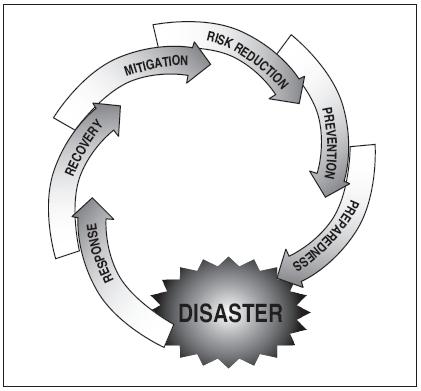
Disaster Risk Reduction and Community Resilience
Each program integrates classroom instruction, supervised field attachments, research projects, and community service activities to ensure holistic skill development.
7. Training Approach and Methodology
The college adopts a Competency-Based Education and Training (CBET) approach, focusing on practical mastery of skills and measurable learning outcomes.
Teaching methodologies include:
-
Participatory and interactive learning
-
Case studies and real-life simulations
-
Group discussions and workshops
-
Fieldwork and community placements
-
Project-based learning
-
Community outreach initiatives
This learner-centered approach ensures that graduates are equipped to solve real-world problems effectively.
8. Governance and Management Structure
Matopeni TVC operates under a structured governance framework that ensures transparency, accountability, and effective institutional management.
The governance structure includes:
-
Board of Management
-
Principal
-
Academic Dean
-
Heads of Departments
-
Administrative Staff
-
Trainers and Instructors
The Board of Management provides policy direction and strategic oversight, while the Principal oversees day-to-day operations and institutional development.
9. Community Engagement and Partnerships
The college actively collaborates with:
-
Local government authorities
-
Community-based organizations (CBOs)
-
Non-governmental organizations (NGOs)
-
Faith-based organizations
-
Development partners
Through these partnerships, Matopeni TVC participates in:
-
Community health campaigns
-
Environmental conservation projects
-
Youth mentorship programs
-
Capacity-building workshops
-
Social awareness initiatives
Students are encouraged to participate in service-learning programs that directly benefit the surrounding communities.
10. Student Support Services
Matopeni TVC is committed to providing a supportive learning environment through:
-
Academic guidance and counseling
-
Career advisory services
-
Mentorship programs
-
Field attachment coordination
-
Entrepreneurship incubation support
The institution prioritizes student welfare, discipline, and holistic personal development.
11. Facilities and Learning Resources
The college provides a conducive learning environment with:
-
Well-ventilated classrooms
-
Training and demonstration materials
-
Resource center/library
-
Administrative offices
-
Community practice and field training opportunities
Plans are underway to expand infrastructure and incorporate digital learning tools to enhance training delivery.
12. Quality Assurance and Institutional Development
Matopeni TVC is committed to maintaining high standards of academic excellence through:
-
Regular curriculum review
-
Continuous trainer professional development
-
Internal quality audits
-
Stakeholder feedback mechanisms
-
Monitoring and evaluation systems
The institution seeks to align its programs with national TVET standards and development goals.
13. Strategic Objectives
The college aims to:
-
Expand access to vocational education in Tongaren and neighboring regions
-
Strengthen community-based research and development initiatives
-
Increase graduate employability and entrepreneurship rates
-
Develop modern training facilities and digital resources
-
Establish sustainable partnerships with development stakeholders
14. Institutional Motto
“Empowering Skills, Transforming Communities.”
15. Conclusion
Matopeni Technical and Vocational College stands as a beacon of hope and opportunity in Tongaren Subcounty and the wider Bungoma County region. Through its commitment to practical skills development, community empowerment, and ethical leadership, the institution continues to shape a generation of skilled professionals dedicated to sustainable development and social transformation.